Plamfy: Live Stream Video Chat
- 4.6
- Rating
- 1.00M
- Installs
- Free
- Price

 Analysis by App-foxy
I usually notice the value of a social app in the small spaces of the day: while waiting for a bus, taking a break from work, or looking for a little company after dinner. Plamfy: Live Stream Video Chat is built for those moments, but it does not behave like a normal messaging app. It puts live video and public interaction at the center, so communication feels less like sending a carefully prepared message and more like stepping into an ongoing room.
That change in rhythm is the most important thing to understand before installing it. You are not simply opening a contact list and replying when convenient. You are entering a social feed shaped by live shows, chat, and spontaneous encounters. In my experience, that can feel lively and welcoming when I want immediate interaction, but distracting when I only want a quiet conversation. The app is free to install, although its mature audience and optional purchases mean it deserves a little more thought than a casual messaging tool.
How Plamfy changes everyday communication
I find Plamfy’s live format most useful when I treat it as a doorway into a conversation, not a promise of one. I can listen for a moment, decide whether the room suits my mood, and join only if I have something to add. That choice makes spontaneous contact feel less demanding—and leads naturally to the practical question of how to take part without letting the stream set the pace for me.
You May Also Like

 Blood Strike: 2.5 Anniversary
Blood Strike’s Loadouts Turn Every Drop Into a Tactical Gamble
A close look at Blood Strike’s custom loadouts: how fast access to signature weapons reshapes its battle royale rhythm, rewards preparation, and narrows the gap between fights.

 Pandora - Music & Podcasts
Pandora’s Music Is Easy to Start, but Harder to Recover
Pandora’s strength is its low-effort path from a seed to a station. Its weak spot is how much confidence it asks you to place in connection, setup, and quiet recovery.

 8 Ball Pool
 Is Built on Rivalries, Rematches, and Routine
A close look at the rivalries, rematches, shared routines, and unanswered safety questions that turn a quick pool match into a persistent mobile community.

 Samsung Music
’s Quiet Strength Is Playing What You Already Own
Its reach comes less from spectacle than from dependable access to a personal library. That simplicity is both the app’s strongest retention engine and its ceiling.

 AccuWeather: Weather Radar
AccuWeather Review: A Quick, Clear Forecast for Everyday Decisions
For everyday plans, the best forecast is the one you can understand quickly. AccuWeather makes rain timing, radar, and local conditions easy to act on, with a few trade-offs.

 Hill Climb Racing
Why Hill Climb Racing Still Turns Crashes Into One More Run
A tiny car, a bumpy hill and one more upgrade: Hill Climb Racing keeps resurfacing because its simple chaos makes every near-miss feel personal.
More From Our News Desk
View All News


A better fit for people who want presence, not just messages
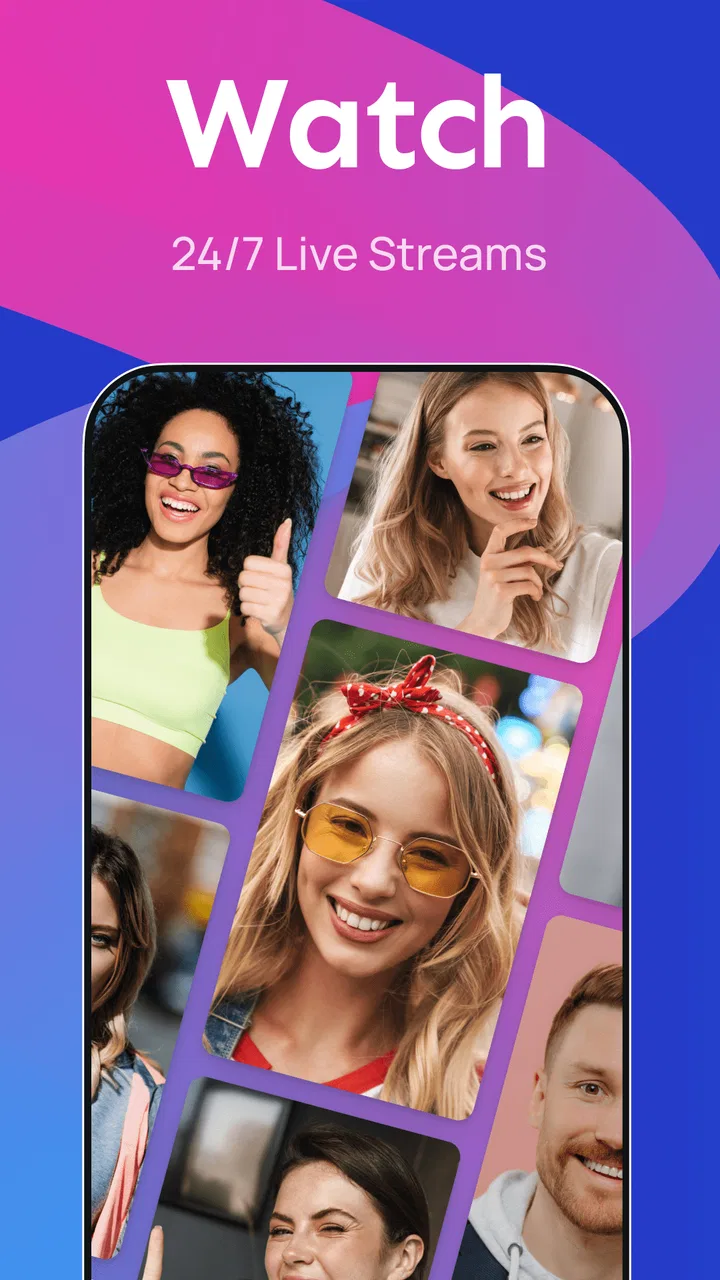
Plamfy belongs to the social category and is developed by Plamfy. Its central idea is straightforward: watch live video, join conversations, and meet people through an always-moving social environment. That makes it different from apps where communication begins with people you already know. Here, the first step can be discovering a live show or finding a conversation that is already happening.
I found this useful when I wanted background company without committing to a scheduled call. A traditional video call asks both people to be available at the same time, while a messaging app can feel slow if the other person is busy. Live streaming sits between those two experiences. It offers real-time energy, but you can often observe before deciding whether to participate.
That “watch first, join later” habit is one of the more practical ways to use the app. Instead of immediately typing into a busy chat, I would spend a moment understanding the tone of a room. Is it relaxed, playful, fast-moving, or focused on one host? This small pause helps avoid the awkwardness of entering a conversation without knowing what is happening.
The app is also more suitable for meeting new people than for maintaining a private circle. If your main goal is to send family updates, organize a group project, or keep a searchable record of important conversations, a standard messenger will probably be clearer. Plamfy is strongest when the value comes from immediacy and discovery rather than organization.
What the live format does to conversation flow
Live communication has a different tempo from text. In a written chat, I can edit a sentence, wait before replying, or return to a message hours later. In a live room, the conversation moves whether I am ready or not. That creates a sense of momentum, but it also means I need to pay closer attention.
When a show is moving quickly, short comments work better than long explanations. I learned to treat the chat as a stream of reactions rather than a private letter. A brief question or relevant observation is easier for others to notice, while a detailed message may disappear before anyone responds. This is a useful adjustment for anyone arriving from slower social networks.
The live format can make a first interaction less intimidating in one way. I do not have to invent an opening message from nothing because the show provides a subject. I can respond to what is happening, listen to how others speak, and decide whether the atmosphere suits me. That makes meeting people feel more natural than sending a cold friend request.
At the same time, live interaction can be less clear than direct messaging. A comment may be missed, misunderstood, or answered much later because the host is handling several conversations. I would not use this kind of chat for sensitive plans, precise instructions, or anything where a delayed or incomplete reply could cause a problem. For those situations, a quieter one-to-one tool is the better choice.
A realistic everyday use case
Imagine finishing a late shift and wanting human contact without arranging a call. I might open Plamfy, browse a few live shows, and stay in one that matches my mood. At first, I would watch silently. If the conversation felt comfortable, I could add a short message, see whether anyone responds, and leave without turning the encounter into a commitment.
That workflow is more flexible than calling a friend who may be unavailable, and more social than watching a completely passive video. It can also help someone who works from home and misses the feeling of a shared space. The important distinction is that this is ambient social contact, not a replacement for a meaningful private conversation.
For someone who enjoys meeting unfamiliar people, the same scenario can become more active. I could move from observing to chatting, then return another day if a particular community feels welcoming. The benefit is low-pressure repetition: I do not need one perfect conversation to justify using the app. The drawback is that the quality of each interaction depends heavily on the room I enter and the people present at that moment.
Attention is the real cost
The app’s strongest feature is also its main source of friction: live content asks for attention now. A recorded video can be paused, and a message can wait. A live show keeps moving, which can pull me into “just one more minute” browsing. That is enjoyable when I deliberately choose it, but unhelpful when I open the app during a task that needs concentration.
I recommend deciding what I want before opening it. If I am looking for a short social break, I can enter with a clear stopping point. If I am already tired or easily distracted, the live format may leave me feeling socially busy without actually having a satisfying conversation. The difference is not the amount of time alone; it is whether the time has a purpose.
Another attention cost comes from switching between watching and participating. Reading comments, following a host, composing a response, and checking another show can create a fragmented experience. I get more from the app when I choose one activity at a time. Watching quietly is different from actively chatting, and treating both as the same can make the session feel scattered.
This is where Plamfy differs from familiar alternatives. A messaging app gives me control over when communication happens. A social network feed lets me browse at my own pace, even when it encourages endless scrolling. A live-streaming service may emphasize performance or entertainment. Plamfy combines the immediacy of live video with social discovery, so the boundary between watching and interacting is thinner.
That combination is appealing if I want a sense of presence. It is less suitable if I need predictable pacing, minimal interruptions, or a calm way to catch up with people I already know. I would choose it for spontaneous social energy, not for efficient communication.
Boundaries matter more in an open social space
The mature audience rating is an important part of the decision. Plamfy is rated Mature 17+, so I would not treat it as a general family app or hand it to a younger teenager without careful consideration. Adults should still use their own judgment about which live rooms and conversations feel appropriate.
My practical advice is to avoid sharing personal details simply because a conversation feels friendly. Live interaction can create quick familiarity, but quick familiarity is not the same as trust. I would keep identifying information, private contact details, financial information, and daily routines out of casual public chat. The faster the conversation feels, the more useful it is to slow down before disclosing anything.
Boundaries also include emotional availability. Because the app makes interaction easy to start, another person may expect a response simply because I joined a room. I do not owe a long explanation when I want to leave. Closing the app, changing rooms, or taking a break is a normal part of using a live social service. The experience is healthier when participation remains optional rather than feeling like a social obligation.
Purchases deserve the same deliberate approach. The app is free, but optional in-app items range from a very small amount to several hundred dollars per item. That is a wide range, so I would review each purchase carefully and avoid treating digital spending as a casual way to keep a conversation going. Anyone sharing a device or payment method should be especially cautious about purchase controls.
I also prefer to separate appreciation from pressure. If I enjoy a show, I can continue watching or return later without assuming that spending is necessary for belonging. That mindset keeps the social experience clearer. The moment participation starts feeling tied to payment, the app becomes less relaxing for me.
Who will get the most from it
Plamfy is a good match for adults who enjoy live interaction, casual discovery, and meeting people outside an established friend group. It can work well for someone who wants company during a break, likes reacting in real time, or finds traditional introductions too formal. It is also useful for people who prefer observing a community before deciding whether to speak.
I would be more cautious recommending it to someone who becomes easily absorbed by live feeds, dislikes public conversation, or wants a private and dependable messaging system. It is not the obvious choice for family coordination, professional communication, or serious discussions that require a clear written trail.
People who prefer polished, edited content may also find the experience uneven. Live platforms naturally depend on the atmosphere of individual shows and the behavior of participants. That unpredictability is part of the appeal, but it means the app cannot guarantee that every session will feel equally interesting or comfortable.
What the current app details mean in practice
Plamfy has an average rating of 4.6 from around 96 thousand ratings, with about 2.3 thousand written reviews and over a million installs. Those figures suggest that it has found a substantial audience, but they do not remove the personal question of whether live socializing suits my habits. A popular app can still be the wrong tool for someone who values quiet, delayed communication.
The app was released on February 8, 2022, and its current version is 1.8.6. It supports devices running Android 8.0 or later. For me, the practical point is to check the operating system before installing, especially on an older phone. The experience of a live video app also depends on the device and connection being comfortable enough for real-time viewing, so an aging handset may make the format less enjoyable even when it meets the minimum requirement.
Since the listed price is free, trying the basic experience does not require an upfront purchase. I would still approach the app as a service with optional spending rather than as an entirely cost-free activity. That distinction matters because the social design can encourage longer sessions and more frequent participation than I originally planned.
Small habits that improve the experience
My first useful habit is to browse before engaging. Spending a short moment listening to the tone of a show helps me choose rooms where my communication style fits. This is more effective than entering the first available stream and assuming every space works the same way.
My second habit is to keep public chat lightweight. I use it for reactions, simple questions, and introductions, while moving anything personal or complicated to a more appropriate private channel. This protects clarity as well as privacy. A fast-moving public conversation is a poor place to resolve misunderstandings.
A third habit is to decide whether I am watching or socializing. If I want background company, I do not need to force myself to comment. If I want a real exchange, I give the conversation enough attention to follow it. Choosing one intention prevents the app from becoming an unfocused loop of switching, scrolling, and half-reading.
Finally, I keep spending separate from mood. I would never buy something simply because a live moment feels exciting or because I want to be noticed. Waiting before purchasing makes it easier to tell whether I genuinely value the item or am reacting to the pace of the room.
My social verdict
After using Plamfy as a live social space, I see its appeal clearly. It changes communication from a scheduled exchange into something more immediate and open-ended. I can watch first, join when comfortable, and find a sense of company without arranging a formal call. For the right user, that makes ordinary downtime feel more connected.
But the app asks me to manage my attention and boundaries actively. The live format can be absorbing, public conversations may move too quickly for careful discussion, and optional purchases require restraint. The mature age rating also means I would not recommend it as a casual app for younger users.
My recommendation is simple: choose Plamfy if you want spontaneous live contact and are comfortable setting your own limits. If you want organized private messaging, quiet browsing, or communication that waits patiently for you, a conventional alternative will serve you better. For adults who understand that difference, Plamfy is an engaging way to add real-time social energy to an otherwise ordinary day.
FAQs for Plamfy: Live Stream Video Chat
01What is Plamfy: Live Stream Video Chat used for?
Plamfy is a social live-streaming and video-chat app designed for watching live broadcasts, meeting new people, and interacting with creators or other viewers in real time. During testing, the main experience centered on browsing live rooms, sending messages, reacting to streams, and joining conversations. It is intended for entertainment and social discovery rather than private messaging alone.
02Is Plamfy: Live Stream Video Chat free to download and use?
The app can generally be downloaded without an upfront purchase, and users may be able to watch streams or access basic social features for free. However, some interactions, virtual gifts, premium functions, or in-app items may require payment through the platform’s purchase system. Before spending money, check the current pricing, subscription details, and refund rules shown in your app store.
03Do I need to create an account to use Plamfy?
An account may be required for features such as following streamers, chatting, sending gifts, saving preferences, or participating actively in live rooms. Registration can involve an email address, phone number, or a connected social account, depending on the available sign-in options. Review the permissions and privacy information carefully, and avoid sharing personal details publicly during live interactions.
04Is Plamfy safe for children and younger users?
Plamfy includes live, user-generated content, so broadcasts and conversations may vary considerably in language, themes, and maturity. Parents should not assume that every stream is suitable for children. Check the app’s age rating, enable device-level parental controls where possible, and discuss privacy and online safety. Users should also report inappropriate content and block accounts that behave abusively.
05What should I do if I experience inappropriate content, harassment, or unwanted messages?
If a stream or user makes you uncomfortable, use the available block, mute, or report tools instead of continuing the conversation. Avoid sharing your address, passwords, financial information, or private contact details with people you meet in the app. Keep screenshots or other evidence when necessary, review account privacy settings, and contact Plamfy support through its official help channels for serious or repeated problems.
Pros
- Easy to discover live streams by interest and language.
- Real-time chat makes conversations feel immediate and interactive.
- Virtual gifts add fun ways to support favorite creators.
- Regular live sessions can help users build familiar communities.
- The interface is generally simple for browsing and joining streams.
Cons
- Content quality varies widely between streamers and broadcasts.
- Virtual gifts can encourage unplanned in-app spending.
- Public chats may include spam
- flirting
- or inappropriate comments.
- Some streams may feel repetitive if you follow only a few hosts.
- A stable internet connection is needed for smooth video playback.

Plamfy: Live Stream Video Chat
Gallery